GETTING READY FOR THE CONFERENCE
Once you’re registered, here are the steps to access the virtual conference platform! PLEASE set-up your account before Monday 12/1 so we can help you if needed.
ACCESSING THE CONFERENCE
The conference will be hosted via Whova, a web conferencing platform. You MUST create an account with Whova to access both the weblink (best for presenting and viewing conference sessions), AND the Whova app (best for quick access to your schedule, easy network, etc – Apple/Android.). Please use CHROME to access all live sessions.
Only those registered for the conference will be able to set-up an account as it is tied to the email you registered for the conference with.
You should have received an email to create your account. If you are unable to find it, go HERE and don’t forget to write down your password so you remember it on conference opening day! You can also download the Whova app with the same password.
The Whova Attendee Guide is also an excellent resource as you navigate the online event space!
ENGAGE WITH PARTICIPANTS AND SPEAKERS NOW!
One unique advantage to a virtual conference is the opportunity to engage with the conference community ahead of time. Through Whova, you can start discussion boards about topics you care about, post information on upcoming trainings/conferences and even job opportunities, as well as meet participants, and ask presenters questions before the workshops begin. Start using the app and make the most of your virtual conference experience!
PLUS, the top 3 participants with the most app engagement before the conference begins will receive cash prizes. GET STARTED!
We can’t wait to “see” you soon!!!
2025 Conference Overview
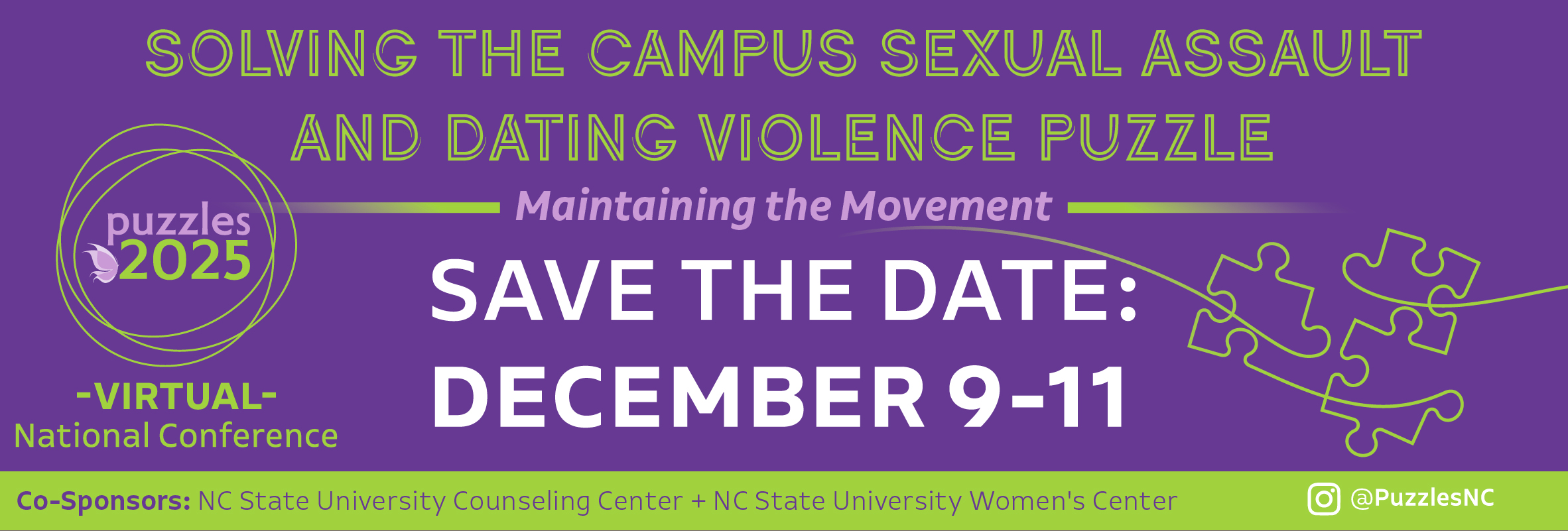
Chrysalis Network, the NC State University Counseling Center, and the NC State University Women’s Center are excited to bring you the 12th annual Solving the Campus Sexual Assault & Dating Violence Puzzle International Conference.
As the national lens continues to bring much-needed attention to the crisis of sexual and dating violence, now is the time, more than ever, to spotlight, celebrate, and learn from the transformative prevention and response work being done in and around our campus communities.
This year’s conference will highlight the courageous work of those on campuses and in the community who remain relentless in their push against the cultural norms of silence, victim-blaming, and minimization, to inspire action and healing for justice.
While “Puzzles”, as it has come to be known, facilitates learning opportunities in a traditional conference workshop format, it is also a space grounded in building community through relationships and wellness. Our virtual conference will offer a variety of opportunities for participants to connect with each other, experience mindfulness and wellness activities, and even win cash as part of daily engagement challenges and icebreaker games.
All sessions will be recorded and accessible to registrants for 3 months post-conference.
Please join us on our 12th year as we continue to work together to solve the campus sexual assault & dating violence puzzle.
Workshop &
Poster Proposal Period Closed
CONFERENCE MOBILE APP
The conference mobile app is an important tool for networking with peers during the conference as well as accessing any parts of the conference on the go!
#PuzzlesNC2025
Follow us on Instagram: @PuzzlesNC

The NC State Counseling Center is proud to partner with the Chrysalis Network to bring the “Solving the Campus Sexual Assault & Dating Violence Puzzle” conference again this year. The Counseling Center is dedicated to being a part of the solution when it comes to sexual assault and interpersonal violence. We recognize the impact these traumatic experiences have on survivors, their friends and family, the campus and larger community as a whole. We also know that there is a stigma regarding what it means to be a survivor of sexual assault and interpersonal violence. With this stigma, survivors can feel unseen, unheard and unsupported. We understand how much courage it takes to reach out. We strive to “Stop the Stigma” and want survivors to know that we see you, we hear you and we are here to support you.
The NC State University Women’s Center is proud to co-host the Puzzles Conference this year. At the Women’s Center, we foster a sense of community and belonging through intentional programming and services focused on supporting student success and retention. Through our high-impact practices centered on gender and interpersonal violence prevention and response, all students – regardless of gender identity – expand their knowledge base, enhance their leadership skills, and explore opportunities for personal and professional growth and well-being, including receiving the affirming support and resources necessary to thrive at NC State. As part of this effort, we are committed to providing space for healing and recovery for individuals impacted by interpersonal violence.
We are grateful to our generous sponsors who make the Puzzles conference possible! Are you interested in sponsoring this year? Contact Juliette!
Why Puzzles?
Yes, there are a ton of conferences out there – what makes this one so special you ask???
Here are our top 5 reasons:
- ACCESSIBLE: A national conference at 1/3 of the cost plus no travel fees. All sessions are recorded so you can watch live and/or at your own pace for 3 months post-conference.
- CONTENT: Focuses entirely on college SA/DV. All presenters are required to incorporate self-care and intersectionality into their sessions.
- PRESENTERS: We bring in headliners, but also spotlight local rock stars; we want the folks who DO the actual work.
- INCENTIVES: As an incentive to network with other participants, play morning games, and to visit our sponsor exhibitor booths, we will award multiple cash prizes per day. Winners will get cash Venmo’d straight to them!
- COMMUNITY: Puzzles is centered on the importance of building relationships and community. Our plentiful and hard-working team strives to create a personalized, connected, supportive, and welcoming conference experience tailored to you. Even though we are virtual, we believe you will continue to feel our personal connection!
Schedule at a Glance
All Concurrent Breakout Sessions will be live with most recorded so that attendees can access the sessions on their own time for up to 3 months after the conference.
All times are Eastern Standard Time
Tuesday, December 9
11-11:30am Welcome
11:30-12:30pm Redefining Victim-Centered & Trauma-Informed Care to Include Intimacy, Bodies, & Pleasure with Dr. Jessica Sanchez
12:45-1pm Poster Sessions
1:15-2:30pm Breakout Session I
2:45-4pm Breakout Session II
4:15-5:15pm Self-Care Session: Harmonizing the Mind, Body & Spirit: A Guided Virtual Sound Bath Experience with T’Keyah Moore from Soul Vibrations Holistic Wellness
Wednesday, December 10
9:30-10:30am Self-Care Session: Worlds Without Harm: Collective Visioning for Liberation and Safety with angela gay-audre from Collective Care LiberationHaus LLC
10:45-11am Poster Sessions
11:15-11:25am Morning Games
11:30-12:45pm Breakout Session III
1:30-3pm Campus Relationships in the Age of AI: Exploring New Risks and Opportunities with Sloan Thompson at EndTAB
3:30-4:45pm Breakout Session IV
Thursday, December 11
10:45-11am Morning Games
11:15-12:30pm Breakout Session V
12:45-1pm Poster Sessions
1:15-2:15pm From Federal Policy to Campus Practice: Protecting Victim Services, Empowering Advocates with Shannon Collins + Cari Simon
2:45-4pm Breakout Session VI
4-4:30pm Closing Speaker: Andrew Echols
Workshops & Poster Sessions
2025 Workshops
10 Years of “It’s On Us” in the Big 10: Centering Primary Prevention in Student Programming
Michigan State University: Jodie Goodman, Prevention Education Manager
Advocacy for survivors of Strangulation in Special Populations
Ohio Alliance to End Sexual Violence: Shelby Lieber, Survivor Coordinator
A Learning Community for Professionals Working with Students Responsible for Sexual Misconduct
Klancy Street: Joan Tabachnick, Consultant & Jay Wilgus, Principal
A Tale of Two Fraternities: Performative Male Allyship and A More Inclusive Approach to Masculinity
California State University, Northridge: Suzannah Rogan, Assistant Director, Outreach, Prevention & Education
Breathe: Cultivating An Awareness Campaign on Sexual Choking Risks & Resources
Ascend Consulting: Heather Caillier, President & Principal; MN Office of Higher Education: Melissa Watschke, Title IX Training Administrator
Bridging the Gap: Engaging Young Adults (18–25) in Trauma Therapy After Interpersonal Violence to Improve Mental & Physical Outcomes Later in Life
Blue Monkey Counseling, PLLC: Melissa McCurry, Founder, Clinical Director, Outpatient Therapist
Campus Adjudication Pathways: So many options, what do they all mean and what do Advocates need to know?
Victims Rights Law Center: Shannon Masden, Assistant Director of Training and Consultation
Diversity in Survivor Advocacy: Intersectional Trauma-Informed Care in Higher Education
Creighton University: Sarika Griffin, Associate Director
Expanding Survivor Support: Embedding Gender-Based Violence Work & Confidential Advising in Cultural Center Spaces
University of Illinois – Urbana Champaign: Gabrielle Schwartz, Associate Director of Advocacy
From Silos to Synergy: Connecting Substance Use Prevention, Recovery, and Violence Prevention on College Campuses
Addiction Professionals of NC: Jarmichael Harris, Director of Scholastic Recovery & Emmy Knowles, Director of Scholastic Prevention
How and Where First-Year College Students Learn about Dating and Sexual Relationships
Georgia Southern University: Jacquelyn Mesenbrink, Assistant Professor
How Sexual Violence Professionals Are Navigating Sociopolitical Shifts
University of Wisconsin – Madison: LB Klein, Assistant Professor
“Is this normal?”: Sexual Health Consultations as an Intervention Model for Integrated Prevention & Response
Northwestern University Center for Student Advocacy and Wellness: Tess Benser, Assistant Director of Outreach & Sexual Wellness
Leading with an Equity Lens (even if you can’t say “equity”!)
Seven & Nine Consulting, Inc.: Amy Circosta, Founder
Making Justice Work for You: Informal Resolution Goal Setting and Managing Expectations
Vanderbilt University: Elle Boeding, Victim Resource Specialist, Olivia Darrow Wallace, Assistant Director for Advocacy Services, & Aba Mims, Victim Resource Specialist
“Nature” of the Work Right Now: Building Robust Networks Despite Difference and Scarcity
National Organization for Victim Advocacy (NOVA): Aysia Evans-Kidd, Culturally Specific Program Manager & Katy Rogers, Campus Coordinated Community Response (CCR) Program Manager
Peer-led Prevention Programming: Challenges and Opportunities
UC San Diego: Leah Klement, Training Manager & Jessica Valencia, Training & Education Specialist
Reclaiming Pleasure: Intimacy, Identity, and Healing in Disabled Bodies
The Delta Oracle: Delphine Andrews, Founder of The Delta Oracle—Disability justice life coach, workshop facilitator, educator, storyteller
Research to Practice: Building and Sustaining the Prevention Movement on College Campuses
Macalester College: Jennifer Jacobsen, Executive Director of Health & Well-being; Soteria Solutions: Meera Seshadri, Health Communication & Prevention Strategist
Resonate: Red Zone Stories that Reach (in less than 3 minutes!)
Ohio State University: Eliza Sabo, Sexual Violence Advocacy Coordinator
Restorative Justice for Campus Sexual Harm: How to Build Buy-In
RK Resolution LLC: Rachel King, Restorative Justice Practitioner
Risk Assessment and Safety Planning in Stalking Cases
Stalking Prevention, Awareness, and Resource Center (SPARC): Kendra Eggleston, Training + Campus Specialist
Touch, Trust, & Transformation: Using Sensate Focus to Restore Intimacy After Trauma
University of Texas Arlington: Jessica Sanchez, Assistant Professor of Practice
“Say No to This”- Preventing and Responding to Sexual Harassment in the Performing Arts
Safe Connections: Emily Stoinski, Community Education Coordinator
Sharing Responsibility for a Safer Campus: A Collaborative Approach to Violence Prevention
UNC-Chapel Hill: Angel Gray, Director of Threat Assessment and Management & Holly Lovern, Director of Violence Prevention and Advocacy Services
The Vinny Vow: Bystander Intervention Training
DePaul University: Ellie Goldstein, Wellness Support Specialist & Survivor Support Advocate
To Buy or to Build: A cost-benefit analysis of purchasing an online vendor product vs. developing your own
University of Wisconsin – Madison: Samantha Bowen, Assistant Director of Violence Prevention, Alex Nelson, Violence Prevention Manager, & Nola Pastor, Violence Prevention Program Manager
“Totally Stalking You”: How Stalking is Normalized & How We Can Stop It
Stalking Prevention, Awareness, and Resource Center (SPARC): Kendra Eggleston, Training + Campus Specialist
Understanding the Experiences of Practitioners who Work with Respondents in Sexual Misconduct Cases
Tulane University: Julia Broussard, Assistant Provost for Title IX Compliance & Education
Unheard and Underserved: Black Maternal Mental Health and the Trauma of Reproductive Violence
NC State University: Destinee Wormack, Graduate Assistant
Using an Equity-minded and Wellness-Centered Approach to Taking a Public Health Approach to Interpersonal Violence Prevention on College Campuses
Winston Salem State University: Candice Jackson, Assistant Vice Chancellor of Student Affairs for Health and Well-being
What to Watch Next: Turning Pop Culture into Conversations on Consent
New Hampshire Coalition Against Domestic and Sexual Violence: Riley Kavanagh, Training and Resources Coordinator, & Emily Provencher, Prevention Specialist
2025 POSTER SESSIONS
Comparing Campus Sexual Violence Among International and Domestic Students: Contexts and Power Dynamics: University of Chicago: Yejin Sohn, Doctoral Student
Comparing Help-Seeking Patterns and Barriers Among International and Domestic Student Survivors of Campus Sexual Violence: University of Chicago: Yejin Sohn, Doctoral Student
Facilitating a Higher Education Response to Exploitation on Campus: Exploring Internet-Facilitated Exploitation and Sex Trafficking Among College Students: Virginia Commonwealth University: Stacie Lefeavers, Research Scientist
Mandatory Reporting: Balancing Trust & Truth: St. Mary’s College Liz Baumann, Director for Harassment Education & Response/Title IX Officer
Reimagining Consent Education: Introducing Two New Tools for Teaching Consent: Strength United: Alyssa Ayon, Campus Care Advocate
Keynote Speakers
From Federal Policy to Campus Practice: Protecting Victim Services, Empowering Advocates
In recent months, a wave of executive orders and lawsuits has reshaped the landscape for victim service providers nationwide. Federal agencies including DOJ, HHS, and HUD have introduced new funding conditions and restrictions — in some cases withholding grants that were already appropriated by Congress. These measures have raised significant concerns for providers, particularly around requirements that could impact diversity, equity, and inclusion initiatives, limit services for immigrant and transgender survivors, and restrict how gender identity can be addressed in programming. Collectively, these developments may narrow who is recognized as a survivor and challenge the inclusive, trauma-informed approaches that define the field.
In response, survivor-serving coalitions and state attorneys general have mobilized through coordinated litigation, securing important early victories that have blocked certain restrictions and restored threatened funds. Still, many cases remain ongoing, and new policy shifts continue to emerge. What’s at stake is the ability of survivors to access comprehensive, safe, and equitable care — and the future of whether federal grant programs remain a reliable lifeline for the field.
This session will provide an overview of the major lawsuits filed by survivor coalitions, the ABA, and state attorneys general — highlighting the key issues in each case, the arguments being raised, what these legal battles mean for the future of VOCA, VAWA, and other critical grant programs; and how this landscape impacts campus advocacy.
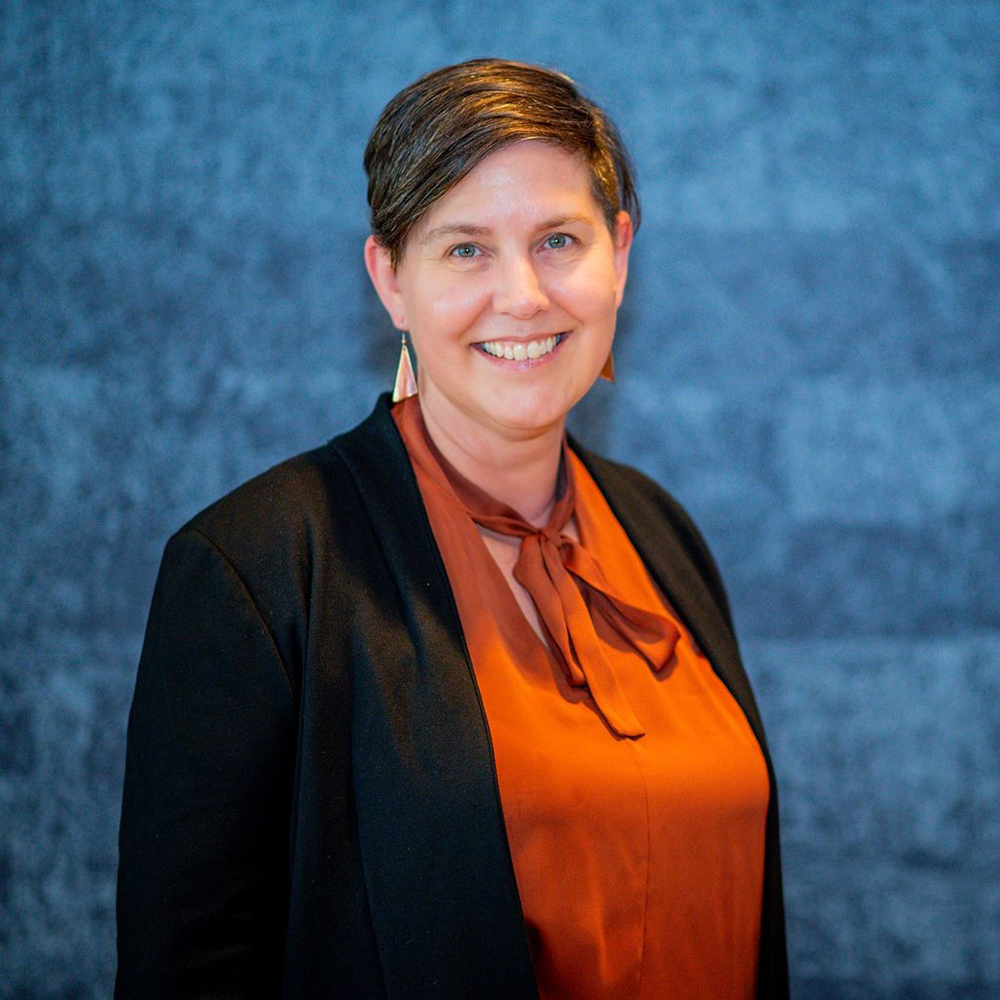
Shannon Collins, LCSW is a survivor advocate dedicated to advancing collective leadership, survivor empowerment, and community access to safety and justice. With more than 25 years of experience, she has worked to end domestic violence, dating violence, sexual assault, and stalking (DVSAS) through advocacy, response, prevention, and education – primarily within higher education settings.
Shannon currently serves as the Senior Director of Training & Technical Assistance at the National Organization for Victim Advocacy (NOVA), where she leads a portfolio of federally funded initiatives that strengthen the capacity of victim service professionals to support college campuses, engage youth, and serve military-connected survivors. A recognized leader in the field, Shannon specializes in building trauma-informed victim advocacy programs and fostering Coordinated Community Response (CCR) Teams that bring together diverse partners to address DVSAS. Shannon has also served as adjunct faculty at multiple universities, teaching courses on the ethics of campus advocacy, evidence-based practice, trauma-informed leadership, and interpersonal violence over the lifespan.
Shannon is grateful to serve her community as co-chair of the Board of Directors for the Colorado Coalition Against Sexual Assault (CCASA). Shannon holds a Bachelor of Arts degree in Anthropology, a Master of Social Work degree, and a Women’s Studies Certificate of Graduate Study from the University of South Carolina, as well as an Executive Certificate of Nonprofit Management from the Georgetown University Public Policy Institute. When Shannon is not working to promote justice and healing for survivors and communities, she can be found immersed in a crochet project or exploring natural landscapes.
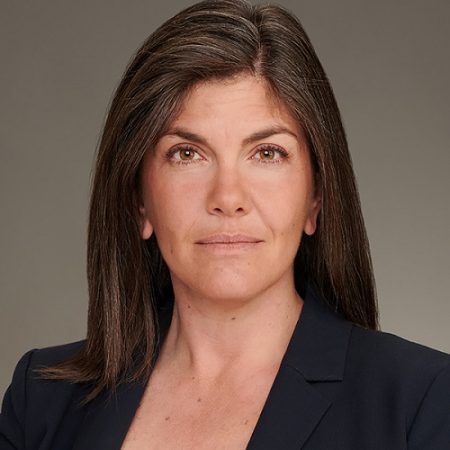
Cari S. Simon is one of the nation’s leading Title IX attorneys representing survivors of sexual assault, stalking, dating violence, and sexual harassment in university and K–12 settings nationwide. Ms. Simon is a graduate of Harvard Law School, cum laude, and clerked for the 9th Circuit Court of Appeals.
Ms. Simon is credited with the inclusion of stalking and dating violence in the definition of sexual harassment under Title IX, and her impact litigation ensured universities are responsible under Title IX for sexual violence at fraternity houses.
Ms. Simon represents scores of survivors on college campuses and in K-12. She effectively represents survivors in campus disciplinary proceedings, and in obtaining remedies and accommodations to ensure survivors can safely and fully access the benefits of their education.
To hold schools accountable for failing to uphold survivors’ rights, Ms. Simon represents survivors in Title IX litigation against universities, and her efforts have launched multiple federal investigations into colleges and schools.
Widely regarded as a Gender Violence Policy Expert, Ms. Simon directed the United States Congressional Victims’ Rights Caucus, advised gender-based violence legislative efforts in numerous states, and was appointed to the Sexual Misconduct Advisory Committee by the Colorado Department of Higher Education, and is a lecturer at Harvard Law School.
Campus Relationships in the Age of AI: Exploring New Risks and Opportunities
Students on university campuses are increasingly living their romantic, sexual, and therapeutic lives with AI chatbots. While chatbots offer new avenues for support and companionship, they also introduce unique risks, particularly for young people navigating the complexities of identity, relationships, and emotional well-being. In this keynote, we will examine why students seek out AI relationships, how these relationships may exacerbate abusive behaviors or cause harm, and how we as professionals can support and educate students on how to engage with chatbots in safe and healthy ways.
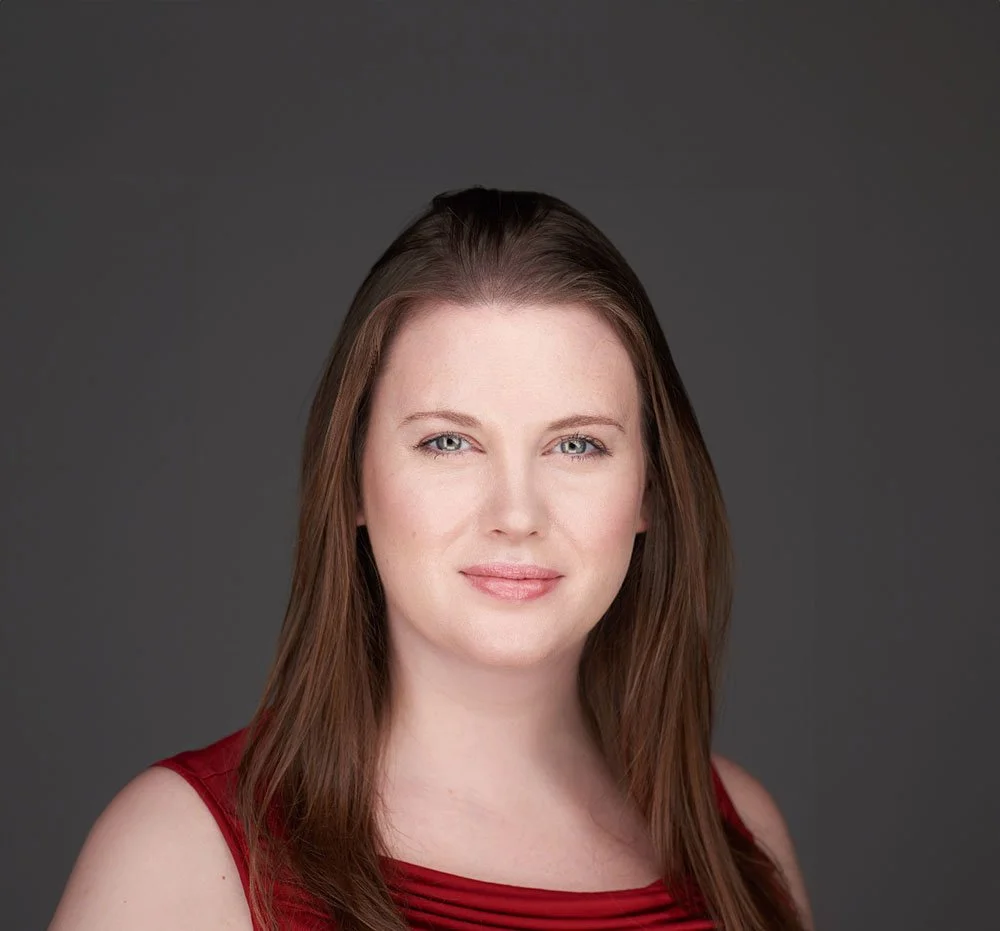
As EndTAB’s Director of Training and Education, Sloan is a sought-after keynote speaker, trainer, and presenter on cutting-edge topics at the intersection of technology, relationships and safety. She centers her expertise in the development and delivery of innovative and accessible workshops that speak to the modern needs of victims, campuses and communities. Sloan is one of the field’s leading voices on the impact of Artificial Intelligence on relationships, co-facilitating first-of-their kind presentations on AI and Healthy Masculinity, AI in Modern Dating, and more.
You’ll find Sloan speaking at universities, nonprofits, and conferences across the country, including key national and international events like the Global No More Tech Summit and ATIXA’s Annual Conference, as well as statewide conferences such as NYSCADV’s Annual Violence Prevention Summit. Her expertise is frequently sought by media outlets on emerging issues like AI companions, Undressing Apps, and digital safety trends.
Before joining EndTAB, Sloan served as a Violence Prevention Coordinator at UNCChapel Hill and as Training and Outreach Specialist for the DC Coalition Against Domestic Violence (DCCADV). She holds an MFA in Directing from the University of British Columbia and a BA in Sociology from UNC-Chapel Hill.
Redefining Victim-Centered & Trauma-Informed Care to Include Intimacy, Bodies, & Pleasure
Too often, trauma-informed care stops at safety & survival – without ever inviting survivors to reclaim joy, embodiment, & connection with their bodies. In this powerful keynote, Dr. Jessica Sanchez invites us to expand the way we think about healing. Attendees will explore how to integrate conversations around intimacy, body autonomy, & pleasure into victim-centric care that promotes a more holistic, liberating, & empowering path forward for survivors. This session challenges outdated norms & calls in a new paradigm that centers intimacy & pleasure. Prepare to be moved, inspired, & ready to reimagine what healing can look, feel, & sound like.
Jessica Sanchez, PhD, LMSW, MEd
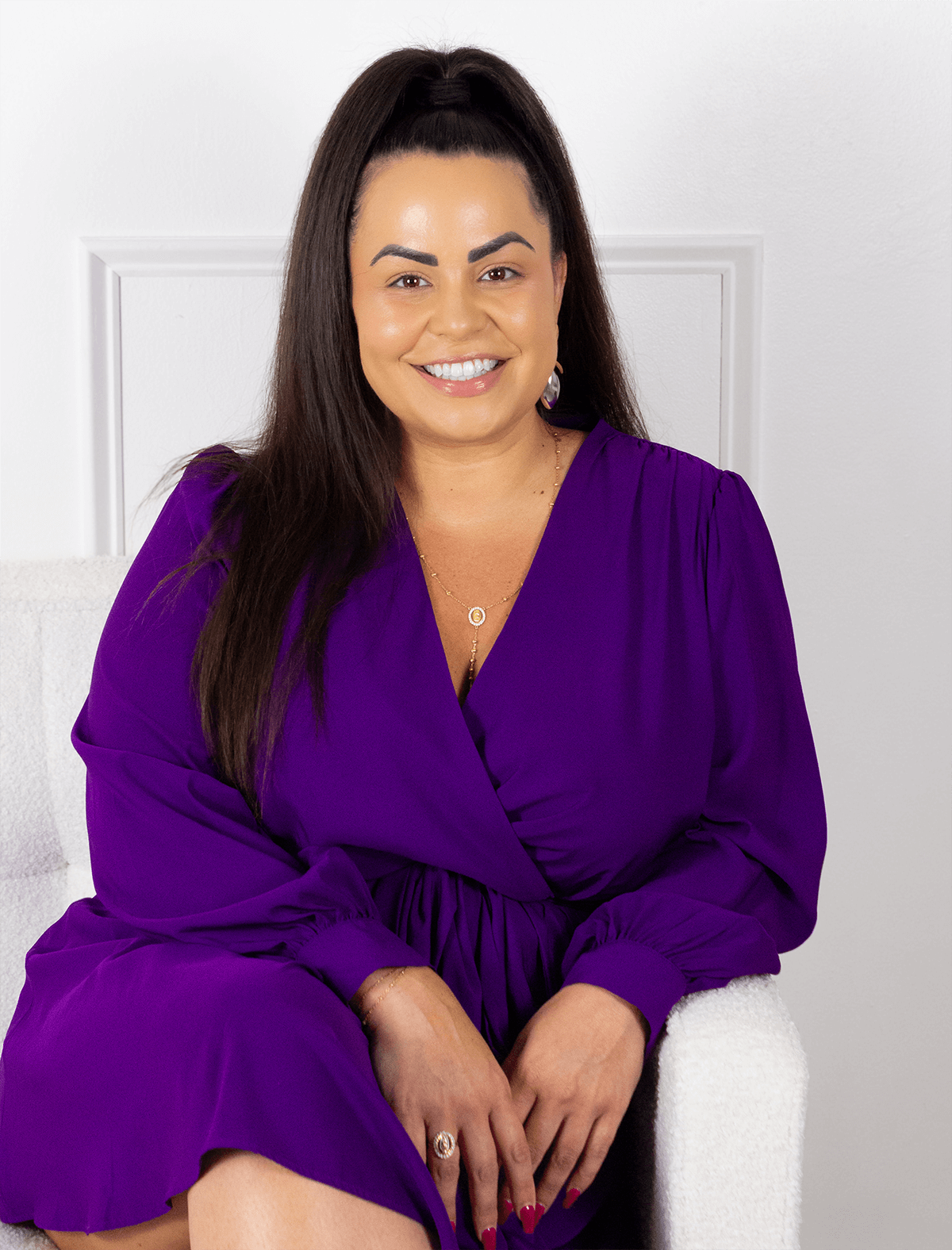
Sex & Trauma Therapist | Educator |
Sound Healing Practitioner
Sexual Wellness Essentials, LLC, Owner & Curator
Assistant Professor of Practice, University of Texas Arlington
Dr. Jessica Sanchez, a proud & passionate Chingona, embodies her intersectional identities as a sex & trauma therapist, educator, & sound healing practitioner, with over 10 years of experience working in the fields of human sexuality, higher education, sexual violence prevention, & advocacy.
Dr. Sánchez is a practicing licensed sex therapist where she advocates, empowers, & assists with restoring women’s sexual autonomy & agency. Her specializations include sexual trauma, perinatal mental health, sexual exploration, overcoming sexual pain, body image, eldest & only born daughters, & imposter syndrome, while decolonizing mental health through holistic & ancestral healing practices.
As a sound healing practitioner, Dr. Sanchez bridges the worlds of sound healing & sex therapy as a way for women to reconnect with their body, mind, spirit, & soul.
As an Assistant Professor of Practice at the University of Texas Arlington, she is committed to rewriting the pleasure narrative of women of color within the field of academia & is dedicated to serving historically oppressed & underserved communities. Dr. Sanchez is an advocate for women’s rights by holding multiple board of director positions within the Dallas community & serves as Chair of the NASW Texas Women’s Rights Committee.
The People Who Win are the People Who Show Up Tomorrow: Movements endure because our people do.
This closing session explores what helps us keep showing up: strong communities, a culture of care, healthy boundaries, and the grounding power of survivor joy. We’ll look at real lessons, including a case study of student-led advocacy in Virginia, and leave with a shared understanding of how we’ll win tomorrow by showing up for each other today.
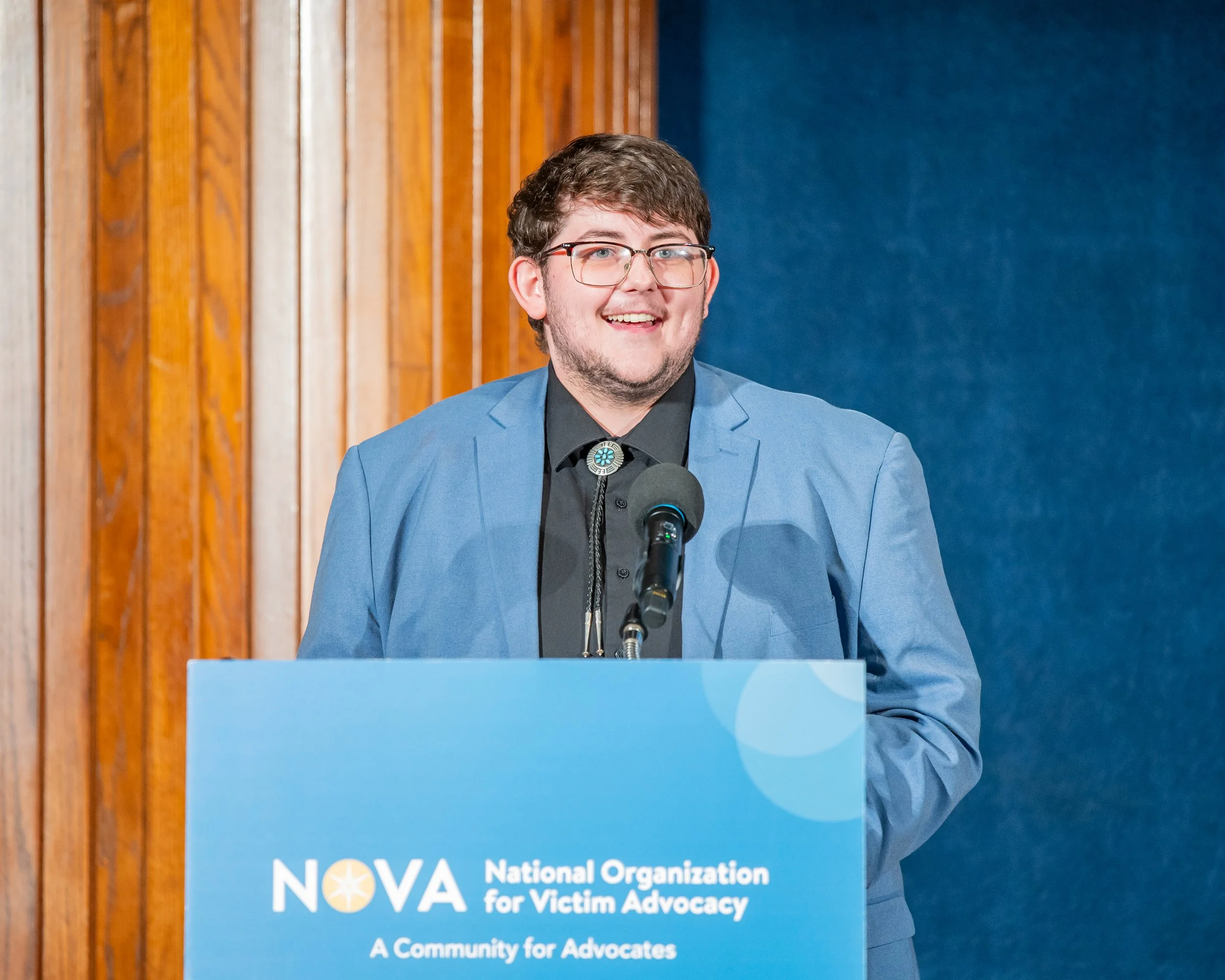
Andrew (he/him) is an anti-sexual violence advocate and community organizer at heart. After launching Every Voice New Mexico upon his completion of the inaugural Next Generation Leaders Fellowship, Andrew fell in love with the work: he went on to support student leaders on the ground in AZ, VA, and PA; created year-round advanced civic engagement programming; and continued to say yes to any opportunity that came his way. Andrew was recognized in The Advocate Magazine’s 2022 Champions of Pride for his commitment to serving trans youth and LGBTQ New Mexicans. Andrew received his BIS with concentrations in Education and Political Science from New Mexico State University in 2022.
Self-Care Sessions
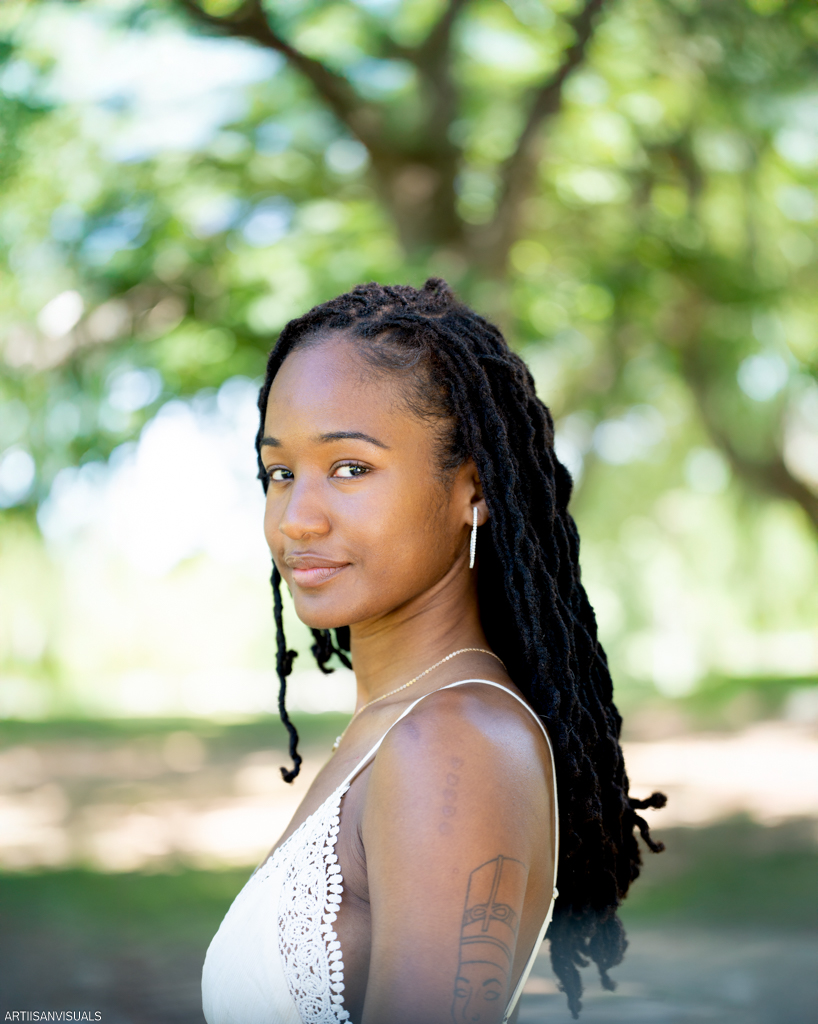
T’Keyah Moore
Harmonizing the Mind, Body & Spirit: A Guided Virtual Sound Bath Experience
Join T’Keyah Moore for a restorative virtual sound bath that brings balance to the mind, body, and Spirit. Through the soothing vibrations of crystal singing bowls and guided meditation to begin with, participants will be guided into deep relaxation and inner calm. This immersive experience offers space to release tension, reset the nervous system, and reconnect with one’s natural rhythm of peace.
T’Keyah Moore is a Licensed Holistic Practitioner and Founder of Soul Vibrations Holistic Wellness. She specializes in intuitive bodywork, sound therapy, and 1:1 assisted stretch coaching to help individuals cultivate harmony, and self-awareness. Blending ancient practices with modern mindfulness, T’Keyah creates transformative experiences that encourage healing, clarity, and connection to one’s higher self.
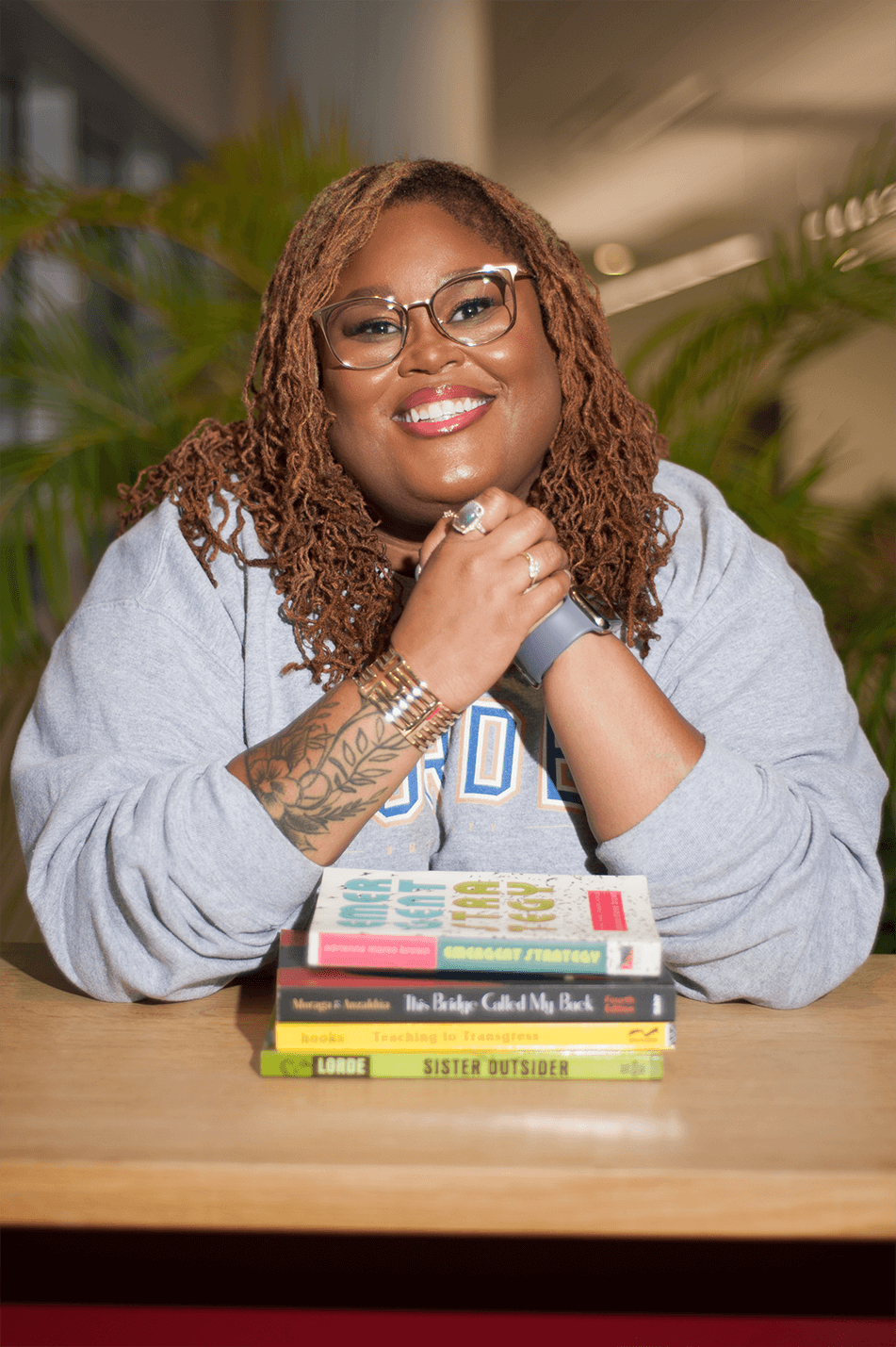
Dr. angela gay-audre
Worlds Without Harm: Collective Visioning for Liberation and Safety
Imagine a world where love doesn’t hurt — where safety, care, and dignity are part of every relationship and community. In this creative worldbuilding session, participants will come together to dream and design what that world could look like. This worldbuilding session invites participants to imagine beyond prevention, toward possibility, to dream into a world where intimate partner violence, dating violence, and all forms of physical and intimate harm no longer exist. Inspired by the creative energy of vision boarding, participants will co-create visual and narrative representations of communities grounded in care, accountability, and collective thriving. Through reflection, art-making, and shared dialogue, we will explore what safety, love, and connection look and feel like when they are truly free from harm. This is a space for imagination as resistance, where dreaming becomes an act of healing and transformation.
Dr. angela gay-audre (she/they) is a Black feminist worldbuilder, poet, and storyteller. She is the Founder, Visionary & Strategist of Collective Care LiberationHaus LLC, where they bring together worldbuilding, Black feminist approaches, and strategic consulting to help people, teams, and organizations reimagine what’s possible and build pathways toward equitable and sustainable futures.
Dr. angela holds a B.A. in Organizational Communication, a Master’s in Clinical Mental Health Counseling, a Graduate Certificate in Women and Gender Studies, and a Doctorate in Educational Leadership, Policy, and Human Development. They have served in higher education spaces professionally for over 16 years. She also serves as the Director of the African American Cultural Center at North Carolina State University.
With a critical lens their focus is on radical imagining and joyful practices. Their scholarship, facilitative work, and presentations showcases the multitude of ways change is possible, people can grow, and liberation is attainable.
MATERIALS LIST
-
Paper (printer paper, cardstock, construction paper, notebook pages, old journals, envelopes, scrap paper)
-
Pens, pencils, highlighters, or markers
-
Sticky notes
-
Index cards
-
Tape or glue sticks
-
Scissors
-
Stapler or paper clips
-
Old magazines, catalogs, or flyers
-
Junk mail or advertisements
-
Newspaper or printed articles
-
Greeting cards or postcards
-
Greeting card envelopes
-
Wrapping paper scraps
-
Gift bags
-
Gift tissue paper
MATERIALS LIST CONTINUED
- Gift tissue paper
-
Photos or old prints
-
Product packaging (interesting fonts, colors, or textures)
-
Stickers or decorative tape (washi tape, masking tape, etc.)
-
Fabric scraps, ribbons, or yarn
-
Buttons, paperclips, or string
-
Dried leaves or flowers
-
Cardboard or cereal boxes (if you need to build a sturdy base)
-
Envelopes or folders (for building layers or pockets)
-
Screenshots or saved images on phones/laptops
Optional Vibes
- Candles, plants, or music to set the atmosphere
- Snacks or tea to make it communal
- A notebook or journal for reflection and writing prompts
Ready Made Vision Board Kit – $32.99
If purchasing this kit, please still consider having a few items on hand such as images that are personally inspiring to you. Sticky notes/index cards to write your own messages, scraps of paper/material that speaks to you.
NACP + NBCC CE’s + OVW Approval
National Advocate Credentialing Program
The National Advocate Credentialing Program (NACP) of the National Organization for Victim Advocacy (NOVA) has accepted 12.75 continuing education (CE) hours toward renewal requirements.
National Board for Certified Counselors
This conference has been approved for 15.5 Continuing Education credits, by the National Board of Certified Counselors (NBCC). Social Workers can get CE approval from their state board. The NC State University Counselor Education Program and Chrysalis Network are cosponsors of this program. This cosponsorship has been approved by NBCC. The NC State University Counselor Education Program is an NBCC Approved Continuing Education Provider, ACEP 4096. The ACEP solely is responsible for this program, including the awarding of NBCC credit.
Office on Violence Against Women
We invite OVW Grantees from the Campus, Culturally Specific Services, Transitional Housing, Culturally Specific Sexual Assault Services, STOP formula, SASP formula, Coalitions, Disability, and Underserved programs to register. Grantees are required to submit a GAM to get approval specific to their awards in order to attend this conference.
National Commission for Health Education Credentialing, Inc. (NCHEC)
We are applying for CHES/MCHES credits for preventionists. Stay tuned!
Scholarship Opportunities
Chrysalis Network is grateful to offer you the opportunity to apply for any of our 3 scholarship options. Applications are due by 11:59pm Sunday November 16, 2025, and notifications will be made by COB Friday, November 21, 2025.
The Chrysalis Network Whole Circle Scholarship
5 AVAILABLE
A registration scholarship designed to support students, advocates, and prevention professionals who self-identify as belonging to neurodiverse or disability communities.
In the spirit of “Nothing about us without us,” this scholarship was initiated by an Autistic advocate and survivor and seeks to increase visibility and support for individuals from these marginalized communities who work to end violence in all of its forms. If you would like to donate to provide additional registration opportunities for this scholarship, please do so via Eventbrite. Chrysalis Network will match all donations.
All applications will be reviewed by a panel of professionals in the field who identify as autistic and/or part of the disability community.
Richard Webley Student Scholarship
5 AVAILABLE
A registration scholarship for students and those new to the field.
This scholarship is named in honor of Juliette’s beloved brother-in-law, Richie, who recently passed away. He was kind, funny, thoughtful, and the most generous person you had ever met. He was a huge supporter of Juliette’s work; always ready to brainstorm creative ways for her to get her message out. At his core, Richie loved to learn, and was a mentor to many. Juliette is proud to fund this scholarship in his honor, to students and those new to the field.
The Safer Campus Collaborative Scholarship
5 AVAILABLE
A registration scholarship open to anyone interested in attending Puzzles.
The Safer Campus Collaborative (formerly HFNC/HF+C) is a Raleigh, NC-based partnership between Chrysalis Network, and Seven & Nine Consulting Inc. committed to creating environments where sexual harassment is not tolerated. They are proud to provide 5 registration scholarships.
All applications will be kept confidential among the small group of reviewers from the Puzzles Advisory Committee.
For More Information:
Juliette Grimmett
juliette@chrysalisnetwork.com
(919) 624-9575